 how-to
How to Follow a Three Phase Ketosis Plan: 2026 Guide
Table of Contents
- How to Follow a Three Phase Ketosis Plan: What Each Phase Does
- Your 40-Day Hyper-Ketosis Plan: Phase One Rules and Food List
- Clean Keto Phase Two: 20 Days to Lock In Your Weight Loss
- Phase Three Maintenance: Holding Your Results Long Term
- Hyper-Ketosis Meal Planning Tools: Staying Consistent Day to Day
- How to Know the Plan Is Working: Progress Checks for Each Phase
- Common Mistakes to Avoid in a Three Phase Ketosis Plan
- Conclusion
- Frequently Asked Questions
Last Updated: October 16, 2026
How to Follow a Three Phase Ketosis Plan: What Each Phase Does
Learning how to follow a three phase ketosis plan starts with one clear fact: the three phase ketosis approach is a structured eating protocol with three distinct stages, not a single continuous diet.
Here is the short version of each phase:
- Phase one: 40 days of rapid weight loss. Two meals a day, one protein, one fruit, and three or more vegetables. Water is the main drink. Walking or swimming only.
- Phase two: 20 days of clean keto to lock in the loss and steady the metabolism.
- Phase three: maintenance, entered only after the goal weight is reached.
Phase one is strict on purpose: no oils, no fats, no seeds. This is a hyper-ketosis eating list, not a keto list, and mixing them up is the fastest way to stall.
Phase one and phase two repeat as a pair until the goal is reached. Only then does maintenance begin.
Your 40-Day Hyper-Ketosis Plan: Phase One Rules and Food List
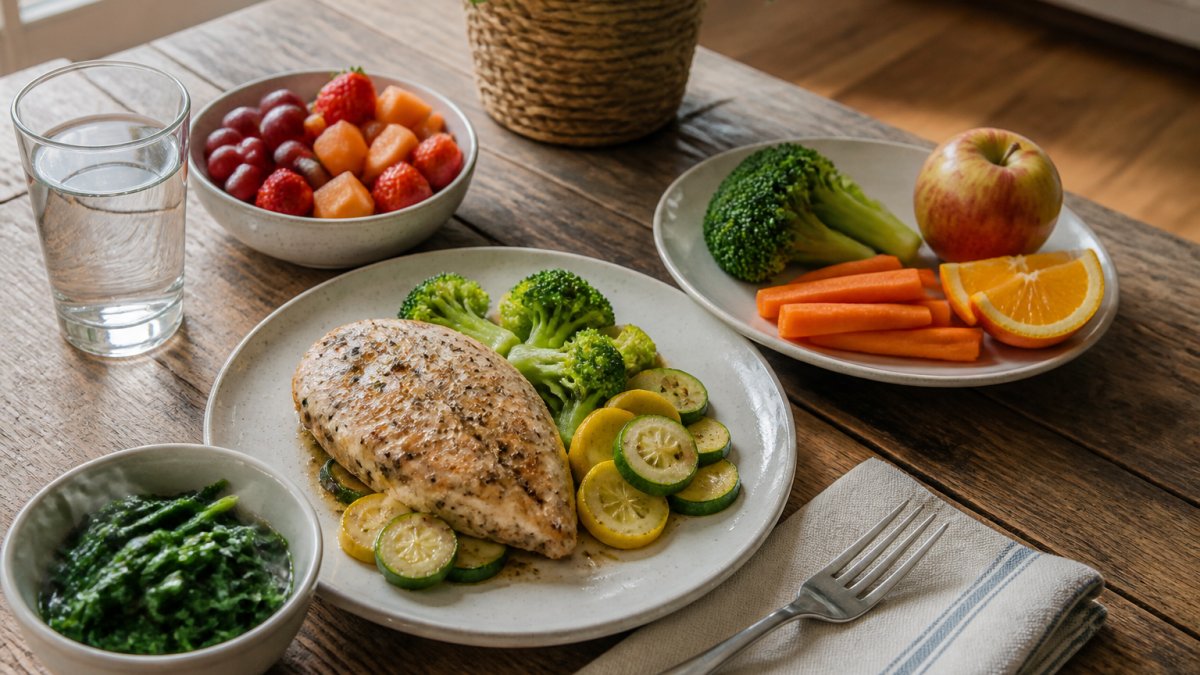
The 40-day hyper-ketosis plan is the engine of the whole protocol: two meals a day, each following the same shape of one protein, one fruit, and three or more vegetables.
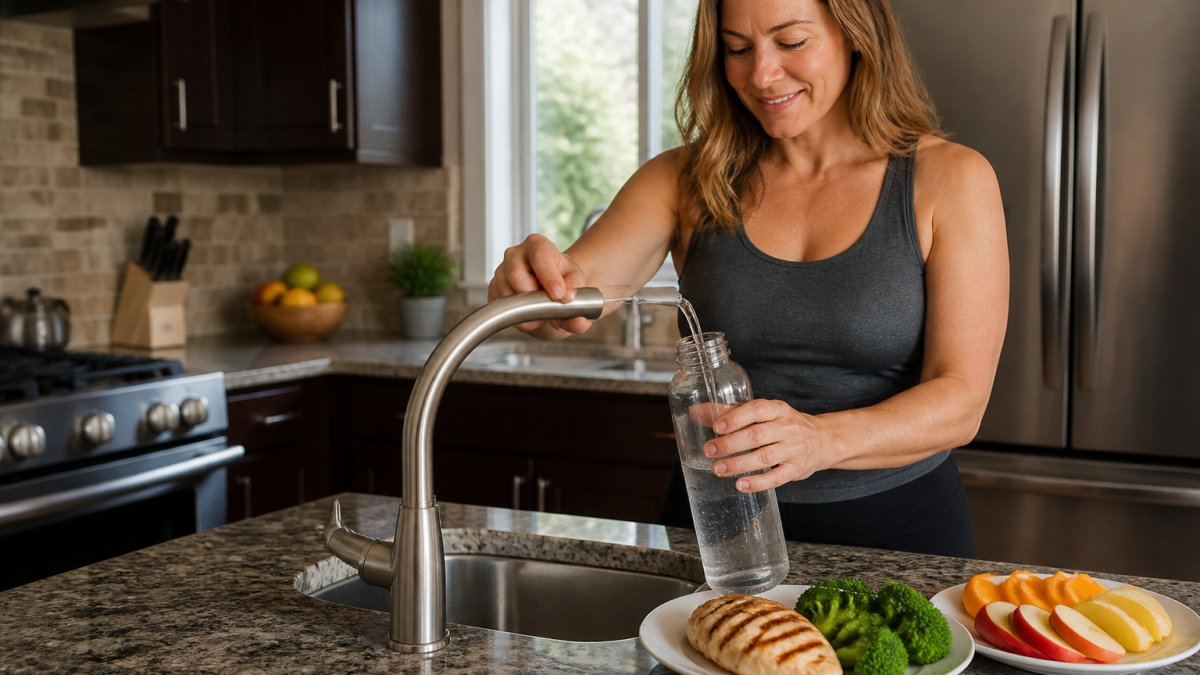
Water carries this phase: large amounts spread across the day, not gulped at once. Movement stays gentle, walking or swimming only. No oils, no fats, no seeds at any meal.
The Hyper-Ketosis Phase One Food List: Protein, Fruit, and Vegetables
The hyper-ketosis phase one food list is short by design: fewer daily decisions mean fewer slips.
Protein (choose one per meal):
- Grilled or baked chicken breast
- White fish, steamed or baked
- Lean turkey
Fruit (choose one per meal):
- Half a grapefruit
- One small apple
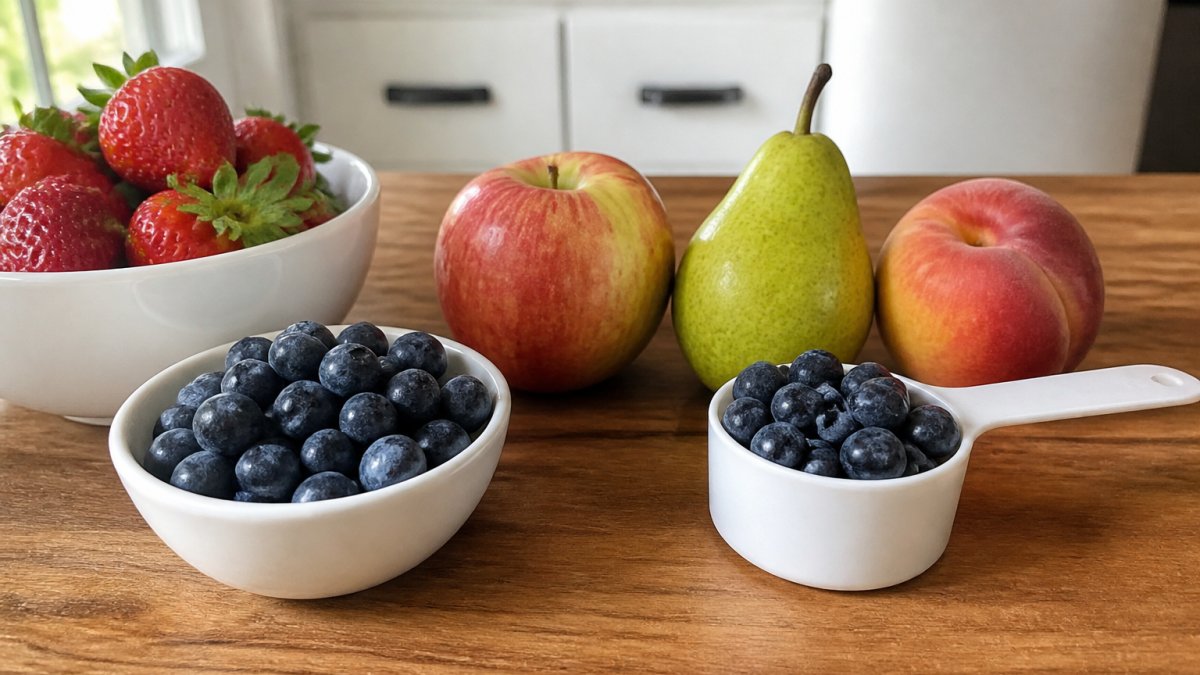
- A cup of berries
Vegetables (three or more per meal):
- Spinach, kale, or lettuce
- Broccoli and cauliflower
- Courgette and green beans
Season with herbs, lemon, salt, and pepper. Skip oils, dressings, and seeds. For official guidance on what counts as a balanced plate, the NHS Eatwell Guide is a useful reference point for vegetable variety.
Clean Keto Phase Two: 20 Days to Lock In Your Weight Loss
Clean keto phase two lasts 20 days and exists for one job: making the phase one loss stick. Weight lost fast can return fast, so phase two widens the food list without abandoning low-carb eating and steadies the metabolism.
Here is what changes from phase one:
- Healthy fats return: olive oil, avocado, butter, ghee
- More protein options: beef, salmon, lamb, dark poultry
- Nuts and seeds are back on the table
- Carbohydrates stay low, but vegetables expand
What "Clean Keto" Means in Phase Two
The word "clean" matters: no processed low-carb bars, packaged snacks, or sugar alcohols. Whole foods, cooked at home, keep the metabolism steady. A clean keto plate follows a simple shape:
- A palm-sized portion of protein
- A generous serving of low-carb vegetables
- A thumb-sized portion of added fat
- Optional: a small serving of nuts, seeds, or full-fat dairy
Keeping carbohydrates low holds the phase one result. Read labels for the first week of phase two, hidden sugars in sauces and dressings are the most common reason the scale creeps back up.
Foods That Return in Phase Two
Fats: olive oil, coconut oil, avocado oil, butter, ghee, avocado Proteins: beef, lamb, salmon, sardines, dark chicken and turkey meat, full-fat Greek yogurt Nuts and seeds: almonds, walnuts, pecans, chia, flax, pumpkin seeds Vegetables: everything from phase one, plus mushrooms, asparagus, aubergine, cabbage, Brussels sprouts, artichokes Fruit: berries in larger portions, occasional small servings of melon
Foods That Stay Off the List
Even in clean keto phase two, some foods undo the work of phase one:
- Refined sugar and sweets
- Bread, pasta, rice, and most grains
- Processed low-carb products with sugar alcohols
- Seed oils such as sunflower, corn, and soybean oil
Adapting to Phase Two
The first three to four days of phase two often bring a brief energy dip as digestion adjusts, then a lift.
A few habits make the transition smooth:
- Drink water steadily through the day, not in large gulps
- Add a pinch of salt to meals if headaches or fatigue appear
- Keep meal times consistent to protect the two-meal rhythm from phase one
- Walk or swim as before; intense training is still not part of the plan
When Phase Two Ends
Phase two ends after 20 days. If the goal weight is reached, move into phase three maintenance. If not, return to phase one for another 40 days, then repeat phase two. This cycle repeats as a pair until the goal is reached. Skipping phase two to reach maintenance faster is the most common reason weight returns, it is the step that makes each loss permanent before the next begins.
Phase Three Maintenance: Holding Your Results Long Term
Phase three maintenance begins the day the goal weight is reached and never has a finish line. It keeps the phase two framework but allows small, controlled additions, a little more fruit, an occasional higher-carb vegetable.
Three habits protect maintenance:
- Weigh in weekly, not daily
- Return to phase one for a short reset if weight creeps up
- Keep meals home-cooked most of the week
The reset option is the safety net. A few days back on phase one rules corrects a drift before it becomes a slide. That flexibility is why maintenance works long term where crash diets fail.
Hyper-Ketosis Meal Planning Tools: Staying Consistent Day to Day
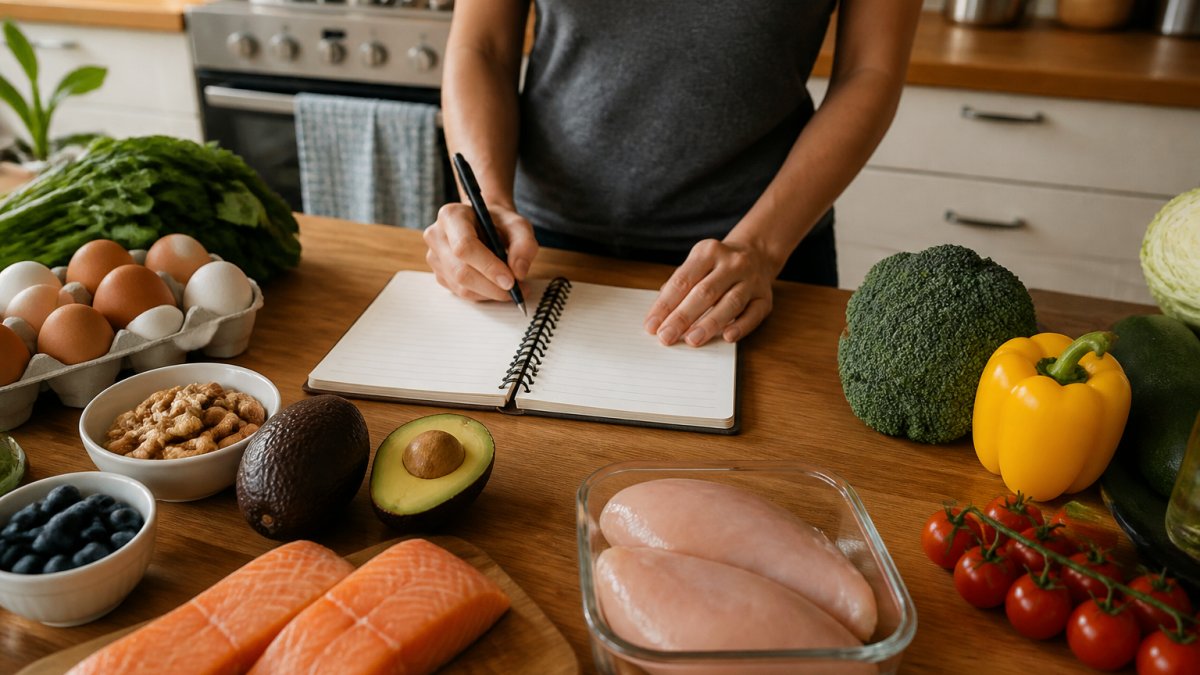
Hyper-ketosis meal planning tools solve the real problem: deciding what to eat when tired and hungry. A plan made on Sunday removes that decision on Wednesday.
Simple tools that work:
- A printed weekly grid with two meal slots per day
- A shopping list built from the phase one food list
- A water bottle with time markers to pace intake
- A tracker for weight, energy, and sleep
The CDC guidance on healthy weight notes that steady habits beat short bursts of effort, which is exactly what a written plan delivers.
Hyper-Ketosis 101 offers an ebook, planner, and cookbook combo that puts the phase one food list, the phase two meals, and a tracking planner in one place.
| Phase | Length | Meals Per Day | Key Rules |
|---|---|---|---|
| Phase one | 40 days | 2 | 1 protein, 1 fruit, 3+ vegetables, no oils or fats |
| Phase two | 20 days | 2-3 | Clean keto, healthy fats return |
| Phase three | Ongoing | 2-3 | Maintain, reset if weight creeps up |
How to Know the Plan Is Working: Progress Checks for Each Phase
Progress checks differ by phase, and using the wrong marker causes needless worry. In phase one the scale moves quickly; in phase two it should barely move, because the job is holding, not losing.
What to Track in Each Phase
- Phase one: weekly weight, waist measurement, energy levels, hunger between meals
- Phase two: weekly weight held steady, sleep quality, hunger levels, digestion
- Phase three: monthly weight range, clothing fit, habit consistency
A stall in phase two is normal and expected. A stall in phase one usually points to a hidden oil, dressing, or seed sneaking into meals. Check the food list before changing anything else.
Measuring Ketosis: What the Numbers Actually Tell You
Three tools measure ketones, and each has limits.
Urine ketone strips. Cheap and easy, but they only show excess ketones the body is discarding.
Blood ketone meters. The most accurate home option.
Breath ketone meters. Measure acetone on the breath. Convenient and reusable, but readings vary with hydration, food, and time of day.
For most people, the scale, waist measurement, and how clothes fit are more practical than any ketone device.
Troubleshooting by Phase
Problems look different in each phase, so the fix should match the phase.
Phase one problems:
- Fatigue in the first week. Often low sodium, not low calories. Add a pinch of salt to meals and drink water steadily.
- Constipation. Usually too little water or too few vegetables. Increase both before changing anything else.
- Hunger between meals. Check that each meal has the full one protein, one fruit, three or more vegetables. A missing vegetable portion is the most common cause.
- Stalled weight. Almost always a hidden oil, dressing, or seed. Re-read the phase one food list line by line.
Phase two problems:
- Weight creeping up. Usually too many nuts, dairy, or hidden carbs. Return to the phase one food list for three days as a reset.
- Poor sleep. Often a sign of eating too close to bedtime. Move the last meal earlier.
- Low energy in the gym. Expected. Intense training is not part of phase two either; walking and swimming remain the movement.
Phase three problems:
- Slow drift upward. Weigh weekly, not daily, and return to phase one for a short reset if the trend continues for two weeks.
- Loss of structure. The most common maintenance failure. Keep meals home-cooked most of the week and plan ahead.
When to Seek Medical Guidance
This protocol is general education, not individualized medical care. Speak with a clinician before starting, or before continuing, if you:
- Take medication for diabetes, blood pressure, or thyroid function
- Have kidney, liver, or gallbladder conditions
- Are pregnant, breastfeeding, or trying to conceive
- Have a history of eating disorders
A clinician can review how the plan interacts with your medications and health history.
Common Mistakes to Avoid in a Three Phase Ketosis Plan
Most failures in a three phase ketosis plan trace back to four mistakes. None of them involve willpower.
- Treating phase one like keto. Adding fats and oils stalls rapid weight loss.
- Skipping phase two. Jumping from phase one straight to maintenance lets the loss rebound.
- Exercising hard in phase one. Intense training raises hunger and breaks the two-meal rhythm. Walking and swimming only.
- Quitting at the first plateau. Plateaus are built into the plan. Phase two is a plateau by design.
Conclusion
The hardest part of any structured eating plan is not starting, it is staying consistent through all three phases. Hyper-Ketosis 101 was built for exactly that gap, with a 60-day bundle, a phase one food list, clean keto phase two meals, and planning and tracking tools in one place. The ebook, planner, and cookbook combo gives the full protocol step by step.
Frequently Asked Questions
What are the three phases of the hyper-ketosis protocol?
Phase one runs 40 days with two meals a day: one protein, one fruit, and three or more vegetables, plus plenty of water and no oils, fats, or seeds. Phase two is 20 days of clean keto to lock in the weight loss. Phase three is maintenance. You repeat phases one and two until you reach your goal weight, then move into maintenance for good.
What can you eat during phase one of the hyper-ketosis plan?
Phase one follows a strict hyper-ketosis food list, not a standard keto list. Each of your two daily meals includes one protein, one fruit, and three or more vegetables. You drink lots of water and avoid oils, fats, and seeds entirely. Walking or swimming is the only exercise allowed during this 40-day phase.
How does phase two differ from a standard keto diet?
Phase two is a clean keto phase lasting 20 days. It is designed to lock in the weight loss from phase one rather than start fat burning from scratch. You reintroduce clean keto foods while keeping the structured, simple approach of the protocol. This is not a free-for-all keto diet; it is a controlled bridge between rapid loss and maintenance.
When should you move from phase two to maintenance?
You move to phase three maintenance only after you reach your goal weight. If you still have weight to lose after finishing phase two, you go back to phase one and repeat the cycle. Maintenance begins once your goal is met, and the focus shifts to holding those results with the habits you built across both phases.