 comparison
Best All-in-One Hyper-Ketosis Tracking and Cooking Resources
Table of Contents
- Why an All-in-One Hyper-Ketosis Tracking and Cooking Resource Beats Piecemeal Apps
- Quick Comparison Table: Hyper-Ketosis Tracking Tools vs Standard Keto Apps
- Hyper-Ketosis 101: The Only Resource Built Around the Hyper-Ketosis Three-Phase Protocol
- Carb Manager: Macro Tracking and Recipes for Standard Keto
- Keto Diet: Tracker & Recipes and Keto.app: Mobile-First Nutrition Tracking
- Welling: AI Photo Logging for People Who Hate Manual Entry
- How Hyper-Ketosis Tracking Tools and Hyper-Ketosis Meal Planning Work Together
- Hyper-Ketosis Meal Planning: Building Your 60-Day Structure
- Frequently Asked Questions
Last Updated: October 16, 2026
Why an All-in-One Hyper-Ketosis Tracking and Cooking Resource Beats Piecemeal Apps
Most people quit a low-carb plan over logistics, not food. One app tracks macros, a second holds recipes, a third stores the shopping list, and a printed sheet on the fridge tries to hold it together.
The best all-in-one resources for tracking and cooking for hyper-ketosis education keep the protocol, the food rules, and the daily log in one place.
Quick Comparison Table: Hyper-Ketosis Tracking Tools vs Standard Keto Apps
| Resource | Built Around | Tracking | Cooking Resources | Protocol Fit |
|---|---|---|---|---|
| Hyper-Ketosis 101 | Three-phase hyper-ketosis protocol | Planning and tracking tools included | E-book, planner, cookbook combo | Purpose-built |
| Carb Manager | Standard keto and low-carb macros | Macro and net-carb logging | Large recipe library | Keto, not hyper-ketosis |
| Keto Diet: Tracker & Recipes | Standard keto plan | Calculator and progress logging | Custom keto plan | Keto, not hyper-ketosis |
| Keto.app | Low-carb nutrition | Nutrition tracker | Not verified | Keto, not hyper-ketosis |
| Welling | AI calorie tracking | Photo and text logging | None confirmed | Generic tracking |
The pattern is consistent: the apps are good at counting, and the hyper-ketosis resource is the only one built around the eating rules.
Hyper-Ketosis 101: The Only Resource Built Around the Hyper-Ketosis Three-Phase Protocol
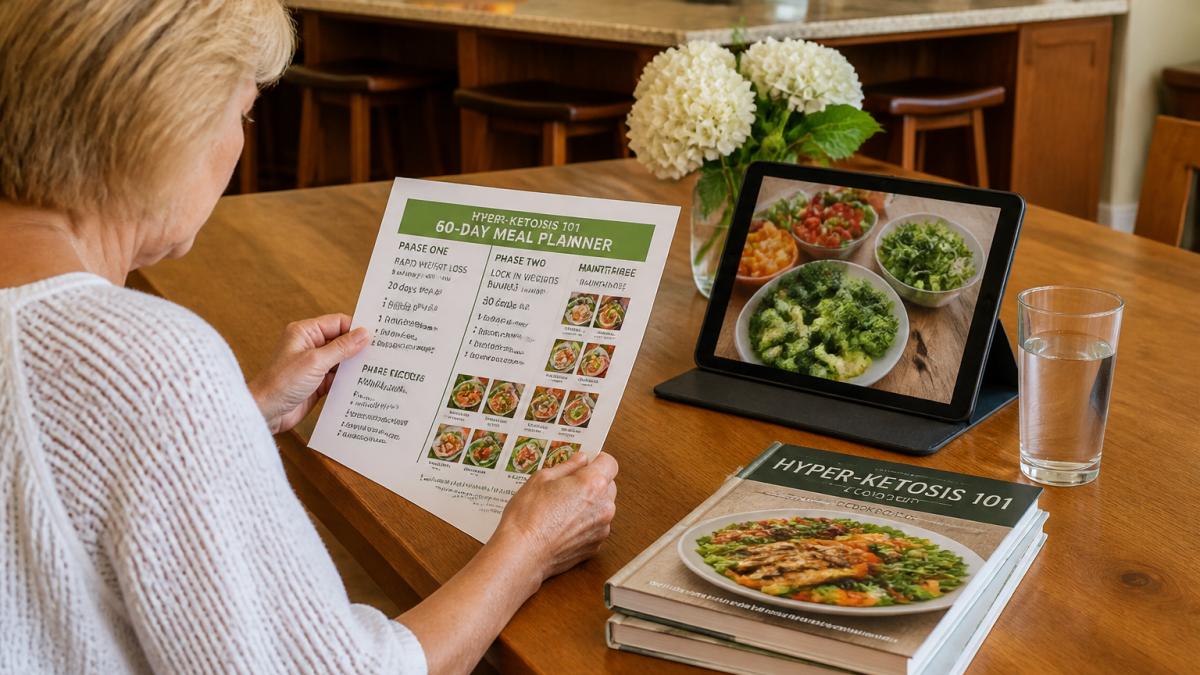
Hyper-Ketosis 101 is a digital resource set that teaches the hyper-ketosis eating protocol through guides, a cookbook, and planning tools.
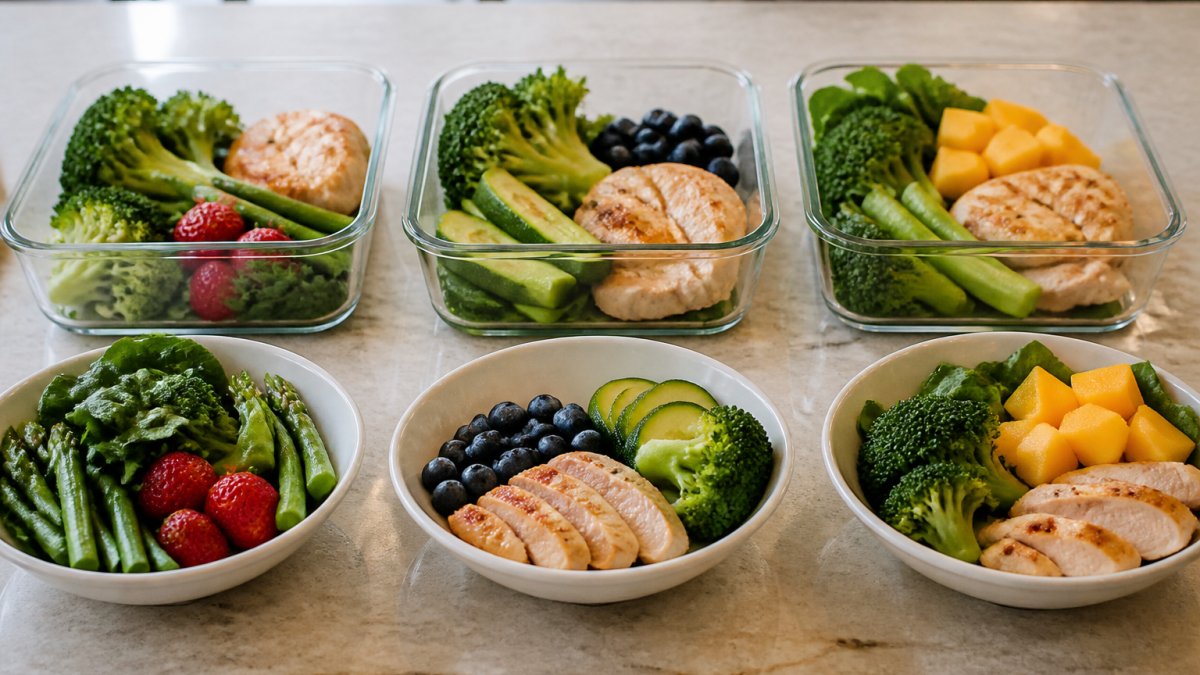
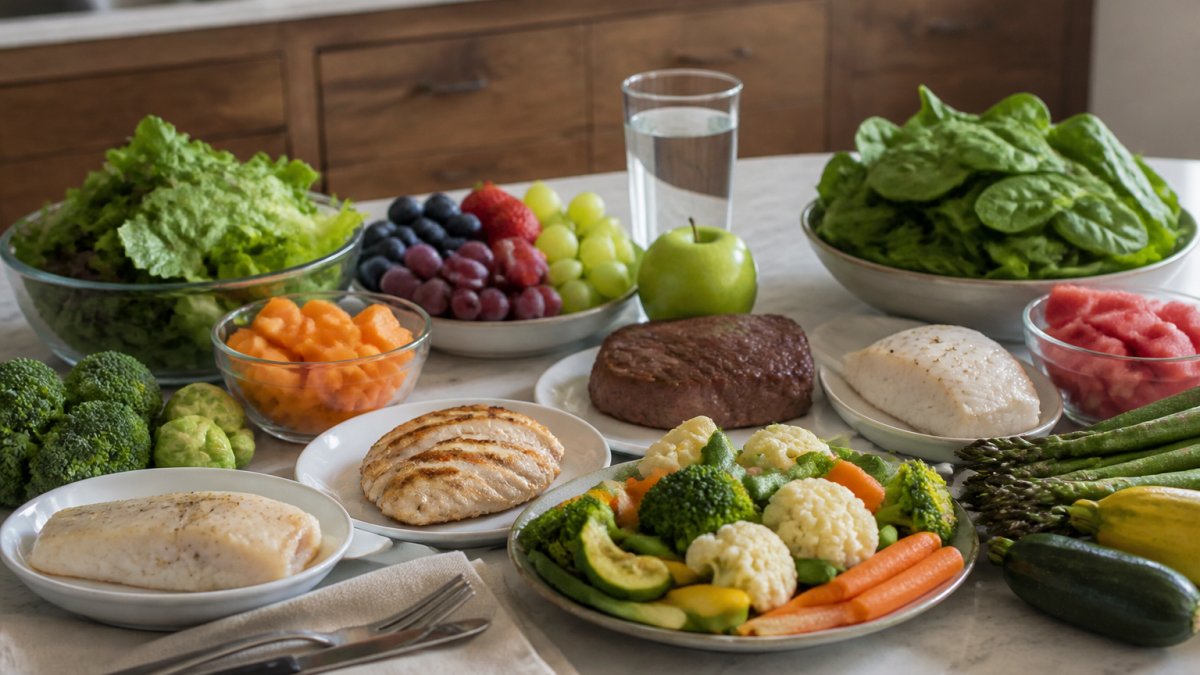
Phase one is the part most people underestimate. It runs 40 days, with two meals a day built from one protein, one fruit, and three or more vegetables.
What the e-book, Planner, and Cookbook Combo Includes
The ebook, planner, cookbook combo bundles the protocol explanation with the day-to-day tools. The e-book covers the three phases and the phase one food list. The planner structures the 60 days. The cookbook supplies meals that match the rules rather than generic low-carb recipes.
Pros and Cons
Pros:
- Built specifically for the hyper-ketosis protocol, not adapted from keto
- Planning and tracking tools sit alongside the cooking resources
- Phase one food list removes guesswork
Cons:
- Digital only, so there is no physical planner to write in
- Requires committing to the full phase structure rather than picking and choosing
Carb Manager: Macro Tracking and Recipes for Standard Keto
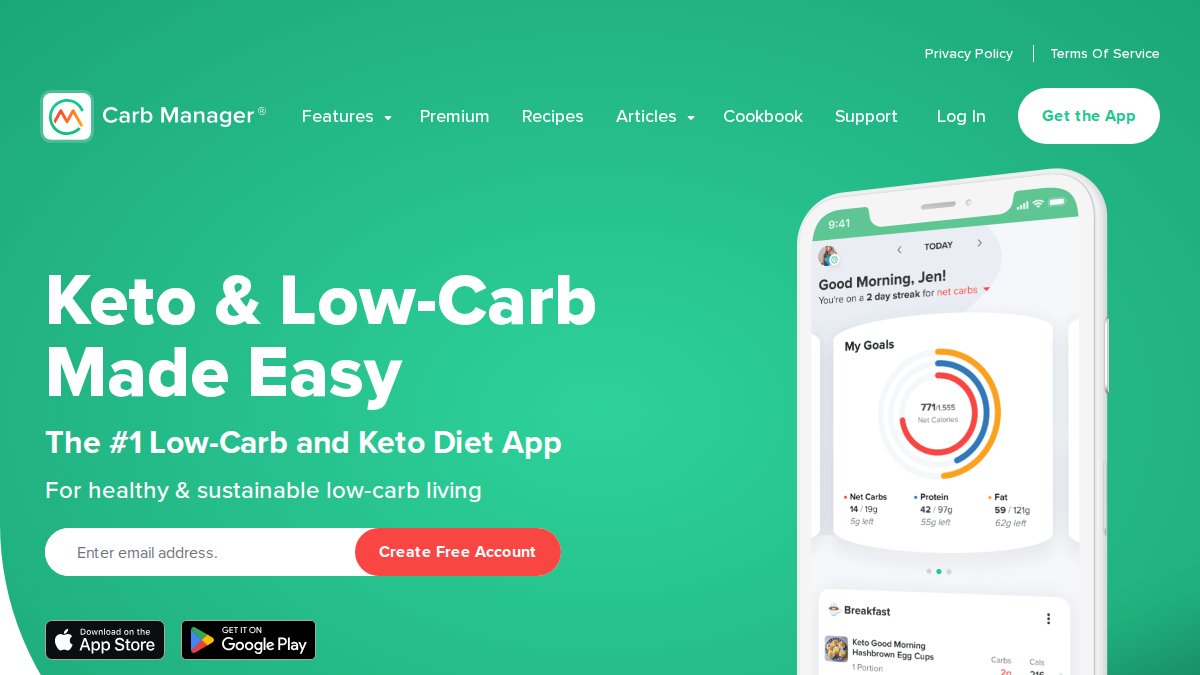
Carb Manager is a low-carb and keto app that combines macro tracking with a recipe collection reported to run past 50,000 recipes, capable for anyone counting net carbs and macros on a standard keto diet.
Where it falls short is the food rules. It is built for keto macros, not for a phase one list that excludes oils, fats, and seeds, so hyper-ketosis users would need to override its defaults constantly.
Pros and Cons
Pros:
- Macro and net-carb tracking in one place
- Very large recipe library
- Familiar interface for anyone who has used a food tracker
Cons:
- Pricing information is not verified in the available research
- Not designed around the hyper-ketosis phase rules
Keto Diet: Tracker & Recipes and Keto.app: Mobile-First Nutrition Tracking
Both Android apps handle the basics of keto tracking. Keto Diet: Tracker & Recipes offers a keto calculator, daily progress logging, and a custom keto plan; Keto.app is a nutrition tracker for staying within a carbohydrate target.
Neither is built for the hyper-ketosis protocol. The available research does not confirm recipe library details, cooking resources, or pricing for either, so treat them as general low-carb counters.
Pros and Cons
Pros:
- Both are available through Google Play
- Keto Diet: Tracker & Recipes combines calculation, planning, and logging
- Keto.app keeps the focus on a carbohydrate target
Cons:
- Recipe and cooking features are not verified in the available research
- Neither addresses the phase one food list
Welling: AI Photo Logging for People Who Hate Manual Entry
Welling is an AI calorie tracker that lets users log meals by typing or sending a photo through a chat interface, removing the main friction point for anyone who finds manual entry tedious.
The limitation is scope. The available research does not confirm cooking resources or compatibility with hyper-ketosis phase rules. It is a logging tool, not a protocol guide.
Pros and Cons
Pros:
- Photo and text logging reduce manual entry
- Chat-style interface feels lighter than a traditional tracker
Cons:
- No confirmed cooking or meal-planning resources
- Pricing and full feature set not verified in the available research
How Hyper-Ketosis Tracking Tools and Hyper-Ketosis Meal Planning Work Together
Tracking and planning fail when separated. A log tells you what happened; a plan tells you what to do next. When they live in different apps, the gap is where consistency breaks down, and on a protocol as strict as hyper-ketosis, that gap is where phase one rules quietly get abandoned.
The reason is mechanical, not motivational. Most food trackers count macros against a daily target, rewarding a protein number, a fat number, or a net-carb ceiling.
Where Tracking Accuracy Breaks Down
Even with the right plan, tracking has limits worth understanding:
- Serving sizes. A "cup of vegetables" is not a fixed quantity across foods. Leafy greens and dense vegetables weigh very differently, and eyeballing portions drifts over 40 days.
- User-entered foods. Entries typed in when a food is missing from the database are only as accurate as their creator, and they propagate across the app.
- Restaurant and mixed meals. Estimates for restaurant dishes and multi-ingredient meals are approximations, useful for trends, not precision.
None of this makes tracking pointless. Tracking is a guide, not a verdict: the phase one food list is the fixed reference point, and the log is a running estimate against it.
A Practical Weekly Workflow
A common pattern that holds up over a 60-day block:
- Plan the week from the phase one list first. Choose proteins, fruits, and vegetables that fit the rules before you think about logging.
- Build the shopping list from that plan. This removes mid-week improvisation, where off-list foods usually enter.
- Log against the plan, not a macro target. The question is "did I eat what the protocol allows," not "did I hit a fat number."
- Review weekly, not daily. Daily noise from serving-size estimates smooths out over seven days.
- Carry the same structure into phase two. When phase two begins with a clean keto diet, the planning habit transfers even though the food rules loosen.
What to Look For in a Combined Resource
If you are choosing between one all-in-one resource and a stack of separate apps, the practical test is whether the planning layer already reflects the protocol:
- Does the planner use the phase one food list, or a generic keto list?
- Does the tracker let you log water and electrolytes without workarounds?
- Are the recipes written for phase one rules, or adapted from standard keto?
A resource that answers yes removes the translation step. A resource that answers no puts it back on you, every meal, every day, for 40 days.
Hyper-Ketosis Meal Planning: Building Your 60-Day Structure
A 60-day structure works because it matches the protocol's own timeline: 40 days of phase one followed by 20 days of phase two. Treating it as one continuous block is where people go wrong, the phases have different rules, food lists, and purposes, and planning them as the same thing blurs the line between them.
| Block | Length | Focus | Meals Per Day | Core Rules |
|---|---|---|---|---|
| Phase one | 40 days | Rapid weight loss | Two | One protein, one fruit, three or more vegetables; high water; no oils, fats, or seeds; walking or swimming only |
| Phase two | 20 days | Lock in the loss | Clean keto | Clean keto eating within the protocol's structure |
| Phase three | Ongoing | Maintenance | Maintenance eating | Begins once goal weight is reached |
Repeat phases one and two until goal weight is reached, then move into maintenance. The planner holds that sequence in place so the decision is made once, not every morning.
Why the 40-Day Phase One Block Is the Hard Part
Phase one is where most plans break, and the reason is structural rather than emotional. Two meals a day means fewer decision points, but each meal must hit the phase one formula: one protein, one fruit, three or more vegetables.
That is stricter than a standard keto template, which is why generic keto meal plans do not transfer cleanly. A keto recipe leaning on butter, coconut oil, or nut flours is not a phase one recipe, and the planner's job is to keep that distinction visible across all 40 days.
How to Build the 60-Day Block
A workable approach, phase by phase:
Before day one:
- Read the phase one food list end to end and note which proteins, fruits, and vegetables you actually enjoy.
- Sketch the full 40 days at a high level, not every meal, but the rotation of proteins and vegetables you will cycle through.
- Plan water intake as a daily habit, not an afterthought.
During phase one (days 1-40):
- Build each week's two-meal structure from the phase one list before the week starts.
- Keep the shopping list tied to that structure so off-list foods do not enter the house.
- Log against the list, not a macro target.
During phase two (days 41-60):
- Shift to a clean keto approach within the protocol's structure.
- Keep the planning habit, the food rules loosen, but the rhythm of planning ahead does not.
- Use the same weekly review as in phase one.
After day 60:
- If goal weight is reached, move into phase three maintenance.
- If not, repeat phases one and two rather than extending either past its length.
Safety and When to Talk to a Professional
A protocol this strict is not a casual experiment, and consumer trackers and planners are not medical tools. They can help you organize meals and log what you ate, but they cannot tell you whether the protocol is appropriate for you.
A few practical guardrails:
- Talk to a qualified healthcare professional before starting, especially if you are pregnant or breastfeeding, managing a chronic condition, taking prescription medication, or have a history of an eating disorder.
- Know the warning signs that warrant stopping and seeking advice, persistent dizziness, unusual fatigue, heart palpitations, or feeling unwell in a way that does not resolve. Do not push through symptoms to stay on schedule.
- Understand that "hyper-ketosis" is not ordinary nutritional ketosis. The term describes a specific, structured eating approach with its own phases and food rules. It is not a clinical diagnosis, and no consumer app can measure whether you are in it.
What a Good 60-Day Planner Actually Does
A planner earns its place if it does four things:
- Separates the phases clearly. Phase one and phase two rules should never be visually or structurally blurred.
- Shows the whole block. You should see where you are in the 40+20 sequence at a glance, not just today's page.
- Ties meals to the phase one food list. Recipes and meal slots should reflect the list, not a generic low-carb template.
- Leaves room for the repeat. Because phases one and two repeat until goal weight, the planner must be reusable, not a one-time 60-day artifact.
A planner that does those four things turns a strict protocol into a repeatable routine. One that does not leaves you rebuilding the structure every week, which, over 40 days, is where most people stop.
Frequently Asked Questions
How is Hyper-Ketosis different from a standard keto diet?
Hyper-Ketosis is not a standard keto diet. It follows a three-phase protocol: phase one runs 40 days with two meals a day (one protein, one fruit, three or more vegetables), lots of water, and no oils, fats, or seeds. Phase two adds 20 days of clean keto to lock in weight loss. Phase three is maintenance. Standard keto apps track macros against a keto framework, but they do not enforce the hyper-ketosis phase one food list or the meal structure.
What foods are included in phase one of Hyper-Ketosis?
Phase one follows a strict hyper-ketosis eating list, not a keto list. Each day you eat two meals, and each meal includes one protein, one fruit, and three or more vegetables. You drink lots of water and avoid oils, fats, and seeds entirely. Walking or swimming are the only allowed activities. Because this food list differs from standard keto, generic keto apps and recipe libraries often include foods that are not permitted in phase one.
How long do phases one and two last in the Hyper-Ketosis protocol?
Phase one lasts 40 days and is designed for rapid weight loss. Phase two lasts 20 days and focuses on locking in that weight loss with a clean keto diet. Together they form a 60-day cycle. You repeat phases one and two until you reach your goal weight, then move into phase three, which is maintenance. This structure is why hyper-ketosis meal planning tools that map to the 60-day timeline are more useful than generic calorie trackers.
What tools help track meals on the Hyper-Ketosis protocol?
The most useful hyper-ketosis tracking tools combine a phase-specific food list, a 60-day planner, and a cookbook in one place. General keto apps like Carb Manager or Keto.app can log macros, but they are built around standard keto rules and do not enforce phase one restrictions such as no oils, fats, or seeds. An all-in-one resource that includes the e-book, planner, and cookbook combo keeps your tracking and cooking aligned with the actual protocol.
Can I just use a free keto app instead of an all-in-one resource?
You can, but free keto apps track against a standard keto framework. They will not tell you that phase one excludes oils, fats, and seeds, or that you eat two meals a day with one protein, one fruit, and three or more vegetables. If you already know the protocol well, a free tracker may work for logging. If you are new or have struggled with consistency, an all-in-one resource that combines education, meal planning, and tracking removes the guesswork.
Staying consistent across 60 days is the hard part, and it is usually a structure problem rather than a willpower problem. Hyper-Ketosis 101 addresses it with a structured approach to low-carb living, comprehensive 60-day bundle options, and planning and tracking tools that sit alongside the cooking resources. Get started with Hyper-Ketosis 101 and follow the protocol step by step.