 comparison
Keto Diet Programs Compared: Which Plan Fits You?
Table of Contents
- What to Look for in Keto Diet Programs
- Keto Diet Programs Side by Side
- Is a Keto Meal Plan Enough on Its Own?
- Personalized Keto Meal Plans: What They Change
- Do You Need a Keto Diet App?
- Keto Diet for Beginners: How to Pick Your First Program
- Where Standard Keto Programs Fall Short
- Frequently Asked Questions
Last Updated: October 15, 2026
What to Look for in Keto Diet Programs
Most people searching for keto diet programs are not short on options. They are short on clarity.
The first thing to understand is that keto diet programs are not interchangeable. A tracking app, an automated meal planner, and a structured digital protocol solve three different problems. Choosing the wrong category is the most common reason people abandon a plan within weeks.
The Five Things That Decide Whether a Program Works
Five factors separate a program someone sticks with from one that gets deleted by week three:
- Structure. Does it tell you exactly what to eat and when, or leave the decisions to you?
- Food list clarity. A defined list removes daily guesswork. A vague one invites drift.
- Time cost. Meal planning and food tracking take real minutes every day.
Keto Diet Programs Side by Side
Programs fall into four broad categories, and each one answers a different question. The table below summarizes what each type does best, where it struggles, and who it suits.
| Program Type | Core Function | Best For | Main Limitation |
|---|---|---|---|
| Structured digital programs | Step-by-step phases, food lists, planning tools | Beginners who want a defined path | Requires commitment to follow phases in order |
| Tracking apps | Logging carbs, macros, and progress | People who already know what to eat | No meal guidance, just measurement |
| Automated meal planners | Generating menus and recipes | People short on planning time | Menus may not match a strict protocol |
| General weight-loss programs | Broad healthy-eating and exercise frameworks | People not committed to ketosis | Not built around low-carb eating |
How to Evaluate Any Program Before You Commit
Before choosing a category, run every option through the same five filters. This is the step most people skip, and it is why so many programs get abandoned.
- Food list specificity. Does the program name exact foods, or does it say "eat low-carb"? A named list removes daily guesswork. A vague one invites drift.
- Phase structure and end point. Does the program tell you how long each stage lasts and what signals the transition to the next stage? Without a defined end point, there is no milestone to aim for.
- Tracking built in or bolted on. Is progress tracking part of the program, or do you need a separate app? Programs that bundle planning and tracking tend to hold people longer.
Suitability by Dietary Need and Lifestyle
No single program fits everyone. Here is how the categories map to common situations.
- Vegetarians and vegans. Standard keto programs lean heavily on animal protein. A structured protocol with a defined food list can be adapted, but check whether the protein sources allowed in each phase match your diet before committing.
- Food allergies and intolerances. Automated meal planners may generate meals containing ingredients you cannot eat. A program with a strict, named food list is easier to screen.
- Busy households and frequent diners-out. Programs that require cooking every meal from scratch are harder to sustain. Look for flexible meal slots within a fixed protocol.
Structured Digital Programs
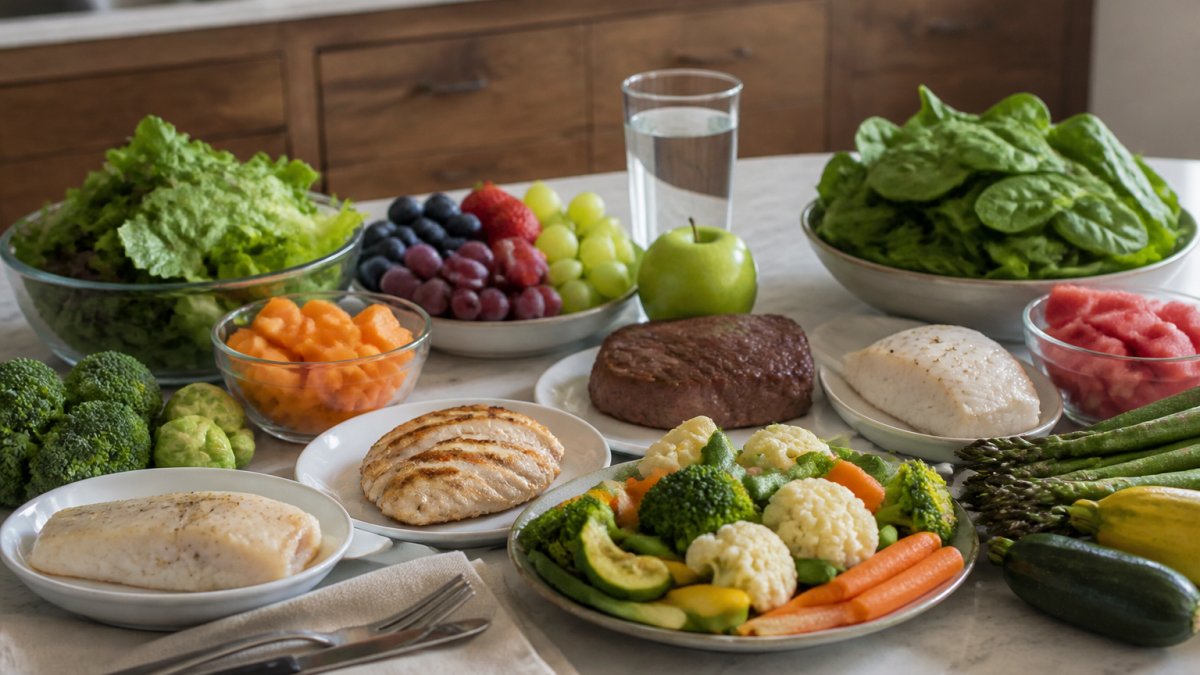
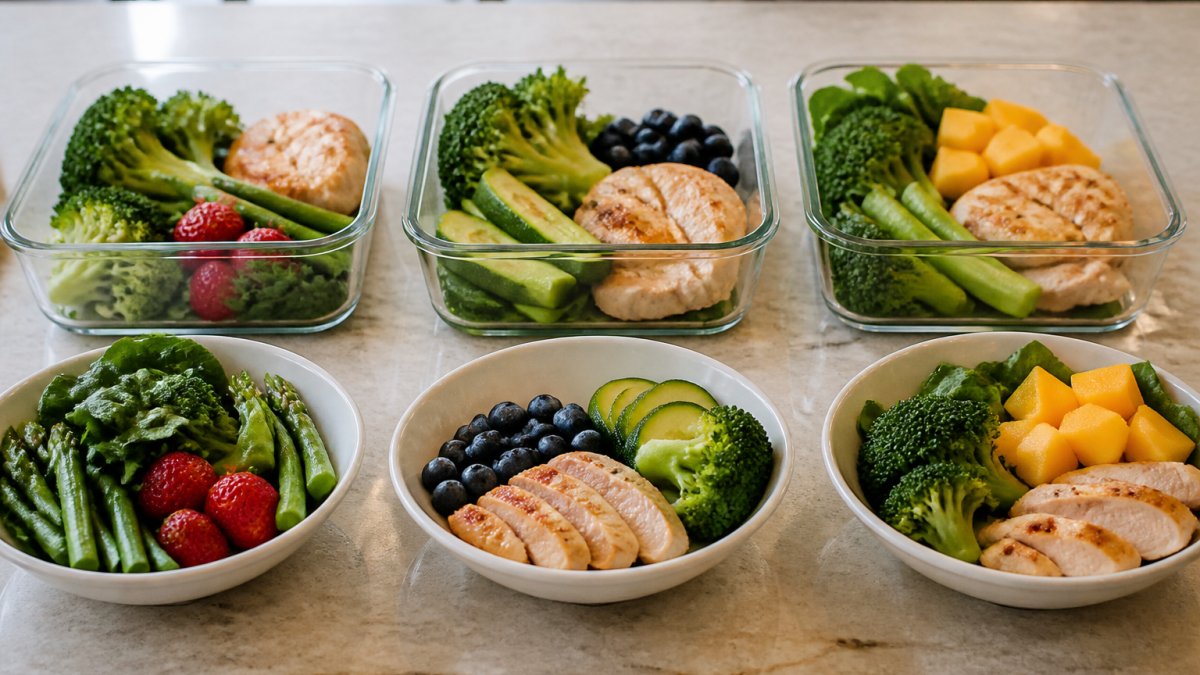
Structured digital programs give you the whole path: what to eat, in what order, and for how long. Hyper-Ketosis 101 sits in this category. It teaches the hyper-ketosis eating protocol across three phases: phase one for rapid weight loss over 40 days with two meals a day built from one protein, one fruit, and three or more vegetables, plus plenty of water and no oils, fats, or seeds; phase two to lock in results with 20 days of clean keto eating; and phase three for maintenance.
The advantage is that nothing is left to interpretation. The trade-off is that a defined protocol only works if you follow it.
Tracking Apps
Tracking apps such as Carb Manager focus on measurement rather than instruction. They are strong for people who already understand low-carb eating and want to log carbohydrate intake, macronutrients, and progress. They are weak for beginners, because an app will tell you what you ate, not what to eat next.
Automated Meal-Planning Services
Services like Eat This Much generate meal plans automatically, which removes the daily planning burden. The catch is that automated plans are built to hit macro targets, not to follow a specific phased protocol. If your plan has strict rules about which foods are allowed in which phase, a generic generator will not respect them.
General Weight-Loss Programs
Broader programs such as The Mayo Clinic Diet center on healthy eating and exercise rather than ketosis. They can work well for general weight management, but they are not keto programs, and anyone expecting ketosis-style results from them will be disappointed.
Safety and When to Talk to a Clinician First
Before starting any program that restricts carbohydrates, talk to a healthcare provider if you take medication for diabetes, blood pressure, or blood thinners, or if you have kidney, liver, or gallbladder conditions. Rapid weight-loss phases can affect blood sugar and electrolyte balance. Warning signs to stop and seek advice include persistent dizziness, heart palpitations, unusual fatigue, or fainting. This is general information, not medical advice.
Is a Keto Meal Plan Enough on Its Own?
A keto meal plan is enough only if you already know how to follow it.
The reason is simple. A meal plan tells you what to eat on the days it covers.
What matters most is the combination: a clear food list, a phase structure, and a way to track progress. Programs that bundle all three tend to hold people longer than any single tool.
Personalized Keto Meal Plans: What They Change
Personalized keto meal plans adjust for your schedule, preferences, and goals rather than handing you a fixed menu.
The trade-off is that personalization usually means more decisions land back on you.
A middle path works well for most people: a fixed protocol with flexible meal slots. The rules stay constant, but the specific meals can shift to fit the week.
Do You Need a Keto Diet App?
A keto diet app is useful, but it is not the starting point. Apps track; they do not teach.
Where apps earn their place is in progress tracking. Logging intake keeps you honest and shows patterns you would otherwise miss.
Hyper-Ketosis 101 builds planning and tracking tools into its 60-day bundle options so beginners are not assembling a system from three separate purchases.
Keto Diet for Beginners: How to Pick Your First Program
Beginners should pick a program with a defined food list, a clear phase structure, and built-in tracking. Everything else is secondary.

Work through these questions before choosing:
- Do you want to be told exactly what to eat, or do you prefer to decide?
- How much time can you give to meal planning each week?
- Do you need a phase structure with a defined end point?
- Will you actually log what you eat?
- Does the program's food list match what you already cook?
If you answered "tell me what to eat" and "I need a defined end point," a structured protocol is the better fit. If you answered "I prefer to decide" and "I already know low-carb eating," a tracking app may be all you need.
A Simple Decision Path
Use this sequence to narrow your options in under five minutes:
- If you are brand new to low-carb eating: start with a structured program that names exact foods and gives you a phase timeline. Do not start with a tracking app.
- If you have done low-carb before and just want accountability: a tracking app plus a written food list is enough.
- If your main barrier is time: an automated meal planner helps, but verify it can follow your protocol's rules before you rely on it.
What Realistic Results Look Like
Short-term weight changes on any low-carb program are common, but they are not the same as sustainable fat loss. Early drops often include water weight.
Be skeptical of any program that promises a specific number of pounds in a specific number of days. A phased protocol gives you a structure and an end point; it does not guarantee an outcome.
Planning for Adherence and Transition
The program you can follow on a normal Tuesday matters more than the one that looks best on paper. Two practical habits make the biggest difference:
- Plan for social situations. Decide in advance what you will eat at restaurants, gatherings, and family meals. Programs that leave this to willpower tend to fail.
- Know your exit plan. A phase structure should tell you when to move into maintenance. Without a transition plan, people either stay in a restrictive phase too long or abandon the structure entirely.
For beginners specifically, the hyper-ketosis eating protocol is designed to remove the guesswork, which is why Hyper-Ketosis 101 builds its resources around a strict phase-one food list rather than an open framework. Its ebook, planner, cookbook combo bundles the phase-one food list, daily planning pages, and phase-appropriate recipes into a single resource for anyone starting out.
Where Standard Keto Programs Fall Short
Standard keto programs share three recurring weaknesses, and they explain why so many people stall.
First, most assume you already understand low-carb eating. They hand you macros and expect you to translate that into meals. Second, they rarely define an end point.
That last point is where the hyper-ketosis eating protocol differs. It separates rapid weight loss, locking in results, and maintenance into distinct phases, each with its own food rules.
Frequently Asked Questions
What should you look for when comparing keto diet programs?
Check four things: whether the program tells you exactly what to eat and when, whether it includes a food list you can shop from, whether it has tracking built in, and whether it explains what happens after the weight comes off. Programs that only hand you recipes leave the hard part, staying consistent, to you. A defined start, a defined length and a defined next phase matter more than a large recipe library.
Are keto meal plans or coaching programs better for beginners?
Beginners usually do better with a plan than with coaching. A keto meal plan removes daily decisions: what to buy, what to cook, what portion to eat. Coaching helps when you already know the basics and need someone to adjust as you go. If you are new, start with a structured plan and add tracking once the routine feels normal.
How do structured keto programs help with meal planning and tracking?
Structure removes the two points where most people quit: deciding what to eat and remembering to log it. A structured program gives you a set food list, a repeating weekly menu and a place to mark progress. When those three sit in one resource instead of three apps, adherence improves because there is nothing to assemble each morning.
How is the Hyper-Ketosis 101 protocol different from a standard keto diet?
Hyper-Ketosis 101 does not teach a standard keto diet. It teaches the hyper-ketosis eating protocol, which runs in three phases: phase one for rapid weight loss over 40 days with two meals a day, one protein, one fruit and three or more vegetables, no oils, fats or seeds and only walking or swimming; phase two, 20 days of clean keto to lock in the loss; phase three for maintenance. You repeat phases one and two until you reach your goal weight.
What is the best app for following a low-carb diet?
The best keto diet app is the one you will actually open every day. Tracking apps suit people who want to log food and watch their numbers. Meal-planning services suit people who would rather be told what to eat. Neither replaces a food list. If you are following a strict protocol with its own rules, pick the tool that matches those rules instead of a general tracker.
Finding a program that fits is harder than it should be, because most options were built for people who already know their way around low-carb eating. Beginners need a defined path instead. Hyper-Ketosis 101 provides a structured approach to low-carb living, comprehensive 60-day bundle options, and planning and tracking tools that keep the protocol on track from phase one through maintenance. Get started with Hyper-Ketosis 101 and follow a step-by-step system built for beginners.