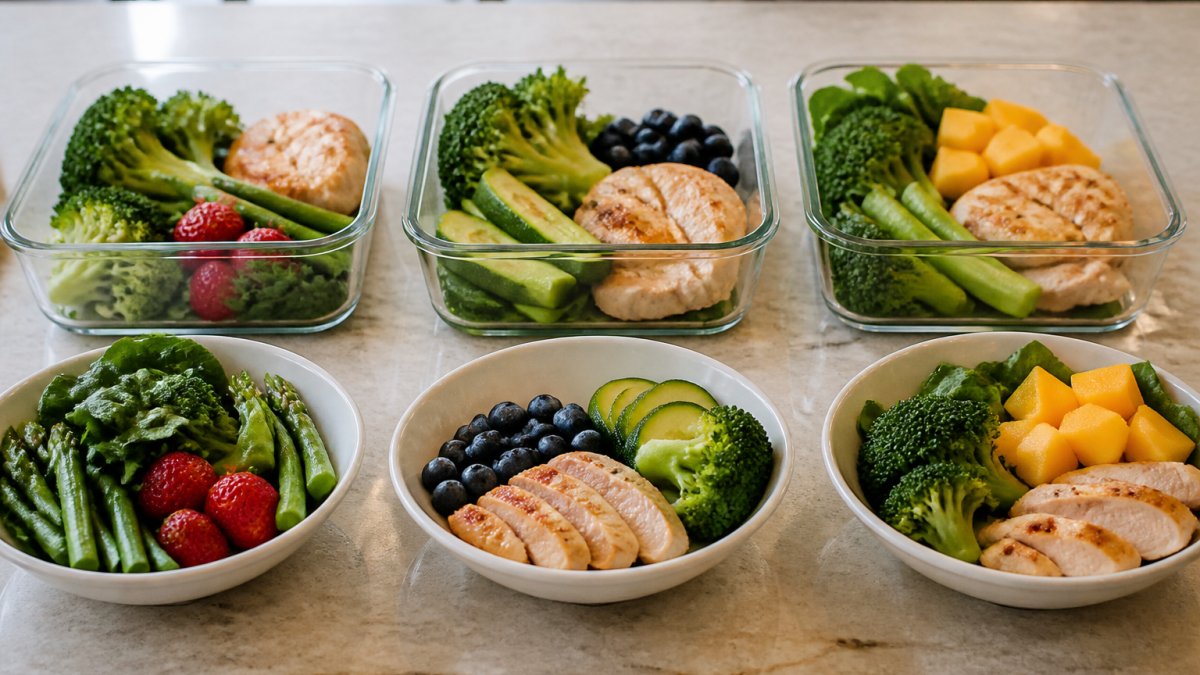
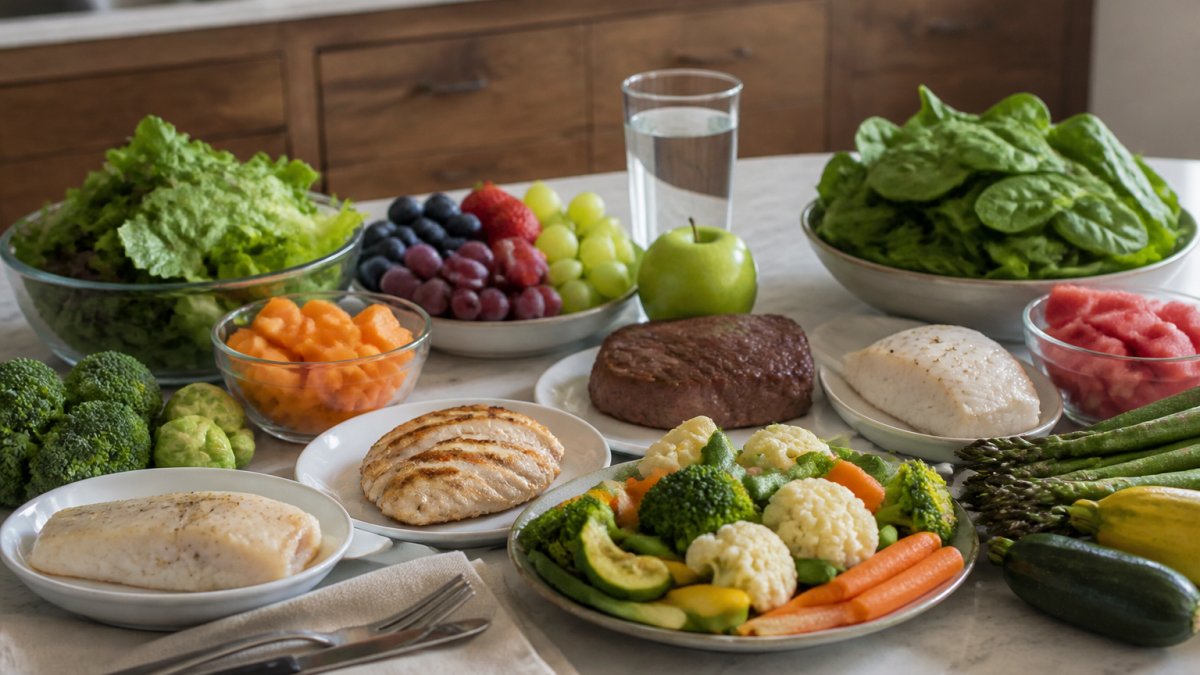
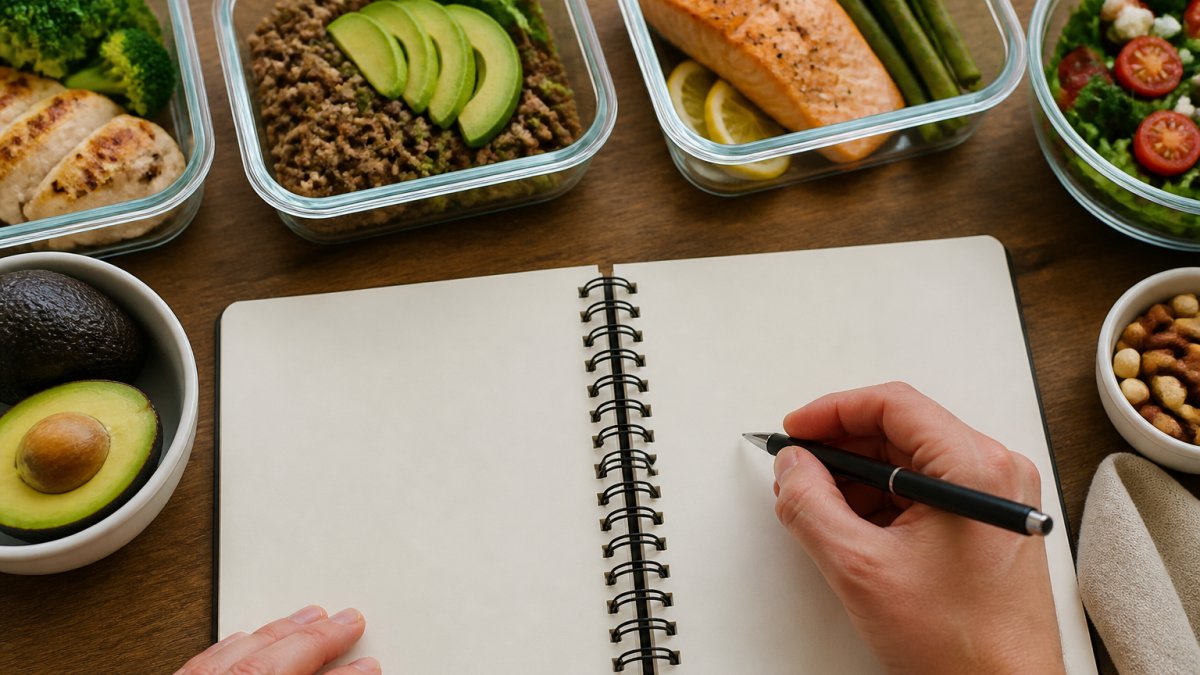
 comparison
Buy Keto Meal Planning Guide: 2026 Review
Table of Contents
- What a Paid Keto Meal Planning Guide Actually Delivers
- Quick Comparison: Keto Meal Planning Guides at a Glance
- Hyper-Ketosis 101: The 60-Day Structured System
- 7-Day Keto Meal Plan: What a Typical Week Looks Like
- Keto Meal Plan With Grocery List: Why It Saves Time and Money
- Keto Meal Prep for Beginners: First Steps to Stay Consistent
- Keto Meal Planning App vs. Digital Guide: Which Fits Your Routine?
- Pricing, Refunds, and What to Check Before You Buy
- Frequently Asked Questions
Last Updated: October 14, 2026
What a Paid Keto Meal Planning Guide Actually Delivers
A paid keto meal planning guide is a structured digital resource that tells you what to eat, when, and how to shop for it. At Hyper-Ketosis 101, we built our 60-day system to provide a structured approach to low-carb living.
When you buy keto meal planning guide products, you're paying for structure, not information, structure is what keeps you consistent past week three.
Downloadable Guide vs. Meal Delivery Service
A downloadable guide is a one-time digital purchase you cook from yourself; a meal delivery service ships prepared food on a recurring subscription.
Guides cost less over time and teach a skill you keep. Delivery services cost more monthly and remove cooking entirely. To learn keto, a guide wins; to never touch a pan, delivery wins.
Most long-term successes start with a guide, then use delivery selectively during busy weeks.
Quick Comparison: Keto Meal Planning Guides at a Glance
The table below compares some common keto meal planning options, including what each gives you and where it falls short.
| Guide | Format | Best For | Main Limitation |
|---|---|---|---|
| Hyper-Ketosis 101 | 60-day structured bundle with planning and tracking tools | Beginners who need a full system and daily structure | Digital only; you cook everything yourself |
| The Complete Keto Grocery List | Free PDF food list | Shoppers who just need a reference while buying | No meal schedule or recipes included |
| Keto Diet Plan 2026 (Summit Plate) | Grocery-ready plan with a five-dinner starter week | People who want a short, concrete starting point | Pricing and purchase terms not clearly stated |
| Ultimate Keto Grocery List (NutriScan) | Supermarket-order food list with meal prep notes | Organized shoppers who plan aisle by aisle | No verified full meal plan or purchase option |
The pattern is clear: most free and low-cost options stop at the grocery list. A complete system carries you through the full 60 days.
Hyper-Ketosis 101: The 60-Day Structured System
Hyper-Ketosis 101 is our own 60-day digital bundle: a structured low-carb system with planning tools, cookbooks, and tracking resources in one place, not a meal delivery service or recipe blog.
What's Included in the Digital Bundle
- A 60-day structured plan that sequences meals instead of dumping recipes
- Cookbooks built around low-carb ingredients
- Planning tools for mapping your week before you shop
Who It Works Best For
Beginners overwhelmed by conflicting nutrition advice are exactly who this is built for, as are people who've tried keto and drifted off after a few weeks, the structure exists to prevent that drift.
7-Day Keto Meal Plan: What a Typical Week Looks Like
A typical keto week rotates a small set of shared proteins across multiple meals: cook once, eat three or four times, and keep net carbs low without rebuilding your kitchen nightly.
Here's how a simple week breaks down:
- Breakfast: Eggs with spinach and avocado, or full-fat Greek yogurt with nuts
- Lunch: Grilled chicken over leafy greens with olive oil and cheese
- Dinner: Salmon with roasted low-carb vegetables and a butter-based sauce
The point isn't variety for its own sake. It's repetition you can sustain. A 7-day keto meal plan works when the same protein shows up in three different forms across the week.
Keto Meal Plan With Grocery List: Why It Saves Time and Money
A keto meal plan with grocery list saves money by stopping you buying ingredients you never cook. The list is generated from the meals, so every item has a destination.
Shopping without a list is where budgets break. You buy aspirational vegetables, they wilt, and you order takeout anyway.
A good grocery list organizes items in store-walk order: produce, proteins, dairy and fats, then pantry.
Keto Meal Prep for Beginners: First Steps to Stay Consistent
Start with three days, not seven. Beginners who prep a full week on day one usually throw half of it away by Thursday.
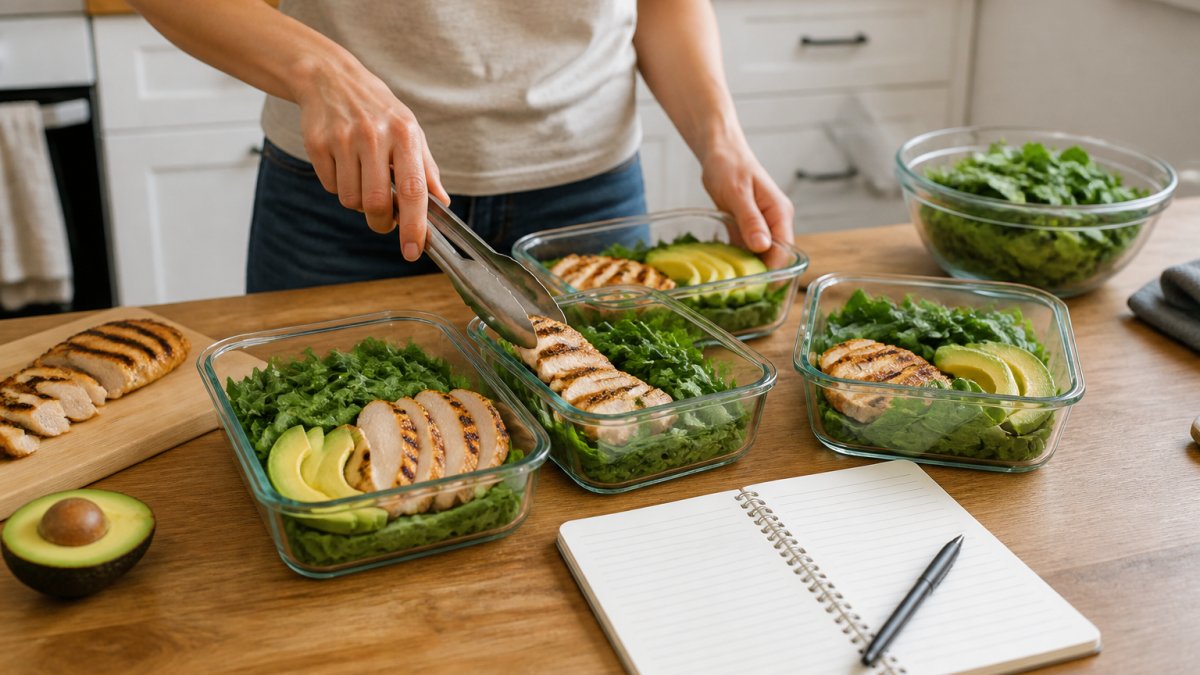
Cook two proteins in bulk, roast one tray of low-carb vegetables, portion into containers, the entire first session, under two hours.
The most common mistake is prepping meals you don't actually enjoy. If you dread the container, you'll skip it. Prep food you'd order willingly.
Keto Meal Planning App vs. Digital Guide: Which Fits Your Routine?
This is the decision most buyers face: a recurring app subscription or a one-time digital guide. It's really a question of what friction you can tolerate.
What Each Format Actually Does
| Feature | Meal planning app | Digital guide |
|---|---|---|
| Cost model | Usually monthly or annual subscription | Usually one-time purchase |
| Food logging | Built in, real-time macros | Rare or absent |
| Plan structure | You build it, or the app suggests | Pre-sequenced for you |
| Grocery list | Auto-generated from logged meals | Generated from the fixed plan |
| Recipe library | Searchable, often large | Curated, often smaller |
| Offline use | Often limited | Usually printable |
| Ongoing updates | Continuous | Depends on seller |
| Cancellation | Stop paying, lose access | Keep what you bought |
Where Apps Win
Apps win on flexibility: if your schedule is irregular, you eat out often, or your macros shift weekly, an app that recalculates your day is genuinely useful, log what you ate and the numbers update.
Apps also win on search: typing "chicken thigh" and seeing five low-carb preparations beats flipping through a PDF.
Where Guides Win
Guides win on decision removal: nothing to configure, you open it, see the week, cook. For people who stall on too many choices, that constraint is the feature.
Guides also win on ownership. A one-time purchase stays yours; a subscription stops the moment you stop paying, and many cancel during a busy month and never return.
The Hybrid Approach Most Long-Term Keto Eaters Use
A practical pattern: start with a structured guide to learn the shape of a keto week, then add an app later to fine-tune macros. The guide teaches the pattern; the app refines it.
The reverse order, app first, guide later, tends to fail for beginners, because the app assumes you already know what to eat and just need to log it.
How to Decide in Five Minutes
Ask yourself three questions:
- Do I want to track numbers daily? If yes, an app. If no, a guide.
- Do I want to own the plan or rent it? One-time purchase vs. subscription.
- Have I failed with tracking before? If yes, a structured guide removes the failure mode.
If you've failed with apps before, that's a signal, not a personal flaw. Try a structured guide instead.
Pricing, Refunds, and What to Check Before You Buy
Most top-ranking keto pages show a free sample week, then push a meal-delivery subscription. Almost none break down what a paid planning guide actually costs to own and follow. That's the gap this section fills.
The Real Cost of a Paid Guide Has Three Layers
When you buy a keto meal planning guide, the sticker price is only the first number. Budget for three layers:
- The guide itself, usually a one-time digital purchase. Some sellers bundle it into a recurring membership, so confirm which model you're buying before checkout.
- The groceries, the recurring cost that dwarfs the guide price over 60 days. A structured plan with shared proteins and a generated grocery list typically costs less per week than an unstructured approach, because you stop buying ingredients that never get cooked.
- Optional prepared meals, if you supplement with a delivery service during busy weeks, that's a separate recurring charge. Treat it as a convenience add-on, not part of the guide's value.
One-Time Purchase vs. Subscription: What to Verify
| Term | What to check | Why it matters |
|---|---|---|
| Purchase model | One-time vs. recurring | A "guide" that auto-renews is a subscription in disguise |
| Refund window | Length and exclusions | Digital products often exclude "already downloaded" purchases |
| Cancellation rules | How and when you can cancel | Some require notice before the next billing cycle |
| Updates | Whether revisions are included | Nutrition guidance changes |
| Access | Download, app, or login-only |
Refund Policies: Read Them Before You Pay
Refund terms for digital guides vary widely. Some offer a short satisfaction window; others exclude downloads once accessed. Neither is automatically wrong, but know which one you're agreeing to.
Personalization: The Feature Buyers Underweight
Before buying, check whether a guide addresses:
- Experience level, beginner sequencing vs. advanced macro tuning
- Dietary needs, vegetarian, dairy-free, nut allergies, or family meals
- Calorie and macro targets, fixed plans vs. adjustable portions
Evidence Quality and Trust Signals
Paid guides are not regulated the way medical advice is. Look for:
- Who wrote it, a registered dietitian, a physician, or an unnamed content team?
- Who reviewed it, is there a named nutrition reviewer?
- What it claims, does it promise fast results, or describe realistic timelines?
A guide that never says "this may not suit you" is a marketing document, not a nutrition resource. For context on how health claims are regulated in advertising, the FTC guidance on advertising and health claims is worth reading before you buy anything promising fast results.
When to Skip the Guide and Talk to a Professional
If you have diabetes, kidney disease, are pregnant, take medication that interacts with diet, or have a history of disordered eating, a downloadable guide is not a substitute for individualized advice. Speak with a physician or registered dietitian first. No PDF can assess your labs, medications, or history.
Practical Usability Checklist
- Is it a one-time purchase or a recurring subscription?
- What's the refund window, and what does it exclude?
- Does it include planning and tracking tools, or just recipes?
Frequently Asked Questions
What should a keto meal planning guide include?
A useful paid guide covers a full weekly menu, recipes with easy-to-follow instructions, a grocery list, macro breakdowns, and a way to track progress. Look for structured daily carbohydrate targets, food substitutions, and beginner guidance. Hyper-Ketosis 101 bundles planning and tracking tools into one 60-day system, which removes the guesswork of building meals from scratch.
Is a paid keto meal planning guide worth buying?
It depends on whether free recipes alone keep you consistent. Paid guides add structure, grocery lists, and tracking tools that free content rarely connects. If you have tried keto before and fallen off after a few weeks, a structured 60-day plan gives you a repeatable system rather than scattered recipes. Check what is included and whether the format fits your routine before purchasing.
Do keto meal planning guides include grocery lists and recipes?
Most comprehensive guides include both. A keto meal plan with grocery list saves time because you shop once for the week and avoid impulse buys. Recipes should be easy to follow and use keto-approved ingredients. Some guides, like Hyper-Ketosis 101, also add tracking tools so you can log net carbs and adjust portions without starting over.
How many carbs should a beginner include in a keto meal plan?
Most keto plans set daily carbohydrates between 20 and 50 grams of net carbs. Beginners often start at the lower end to reach ketosis faster, then adjust based on energy levels and progress. A structured guide will provide a specific daily target and macro balance so you are not guessing. Track your intake for the first two weeks to see how your body responds.
How long should I follow a keto meal plan before adjusting it?
Give any plan at least two to three weeks before making changes. Your body needs time to adapt to low-carb eating, and early weight loss often includes water weight. If energy dips or progress stalls after a month, adjust fat intake, protein intake, or calorie target. A 60-day structured plan gives enough time to see real results and build habits.
Keto consistency breaks down when your plan lives in five browser tabs and a notes app. Hyper-Ketosis 101 puts the whole 60 days in one place, with planning tools to map your week, tracking tools to see your progress, and cookbooks built around low-carb ingredients. If you're tired of restarting every three weeks, that structure is the difference. Get started with Hyper-Ketosis 101 and give yourself a plan you can actually finish.